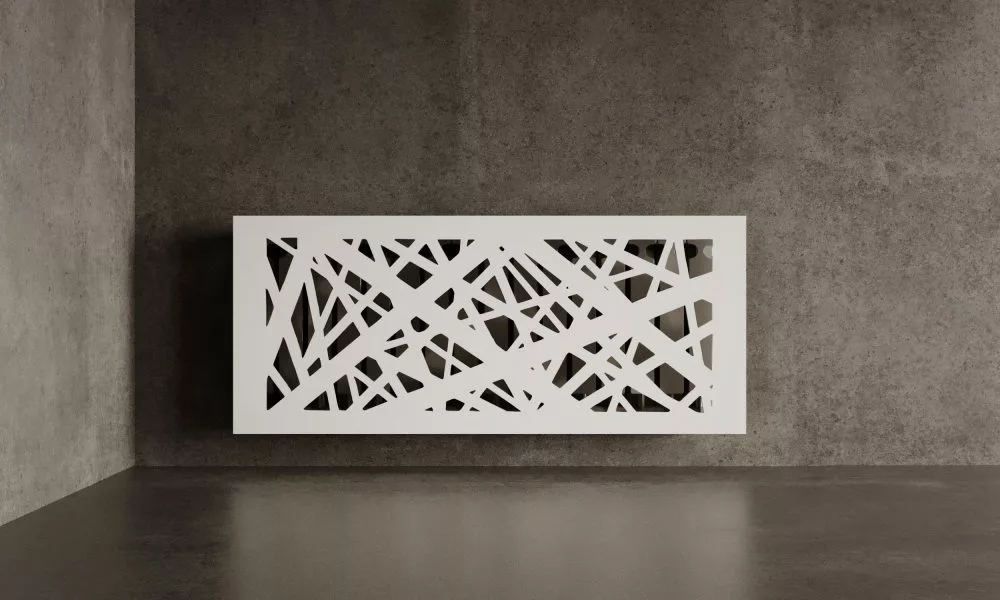
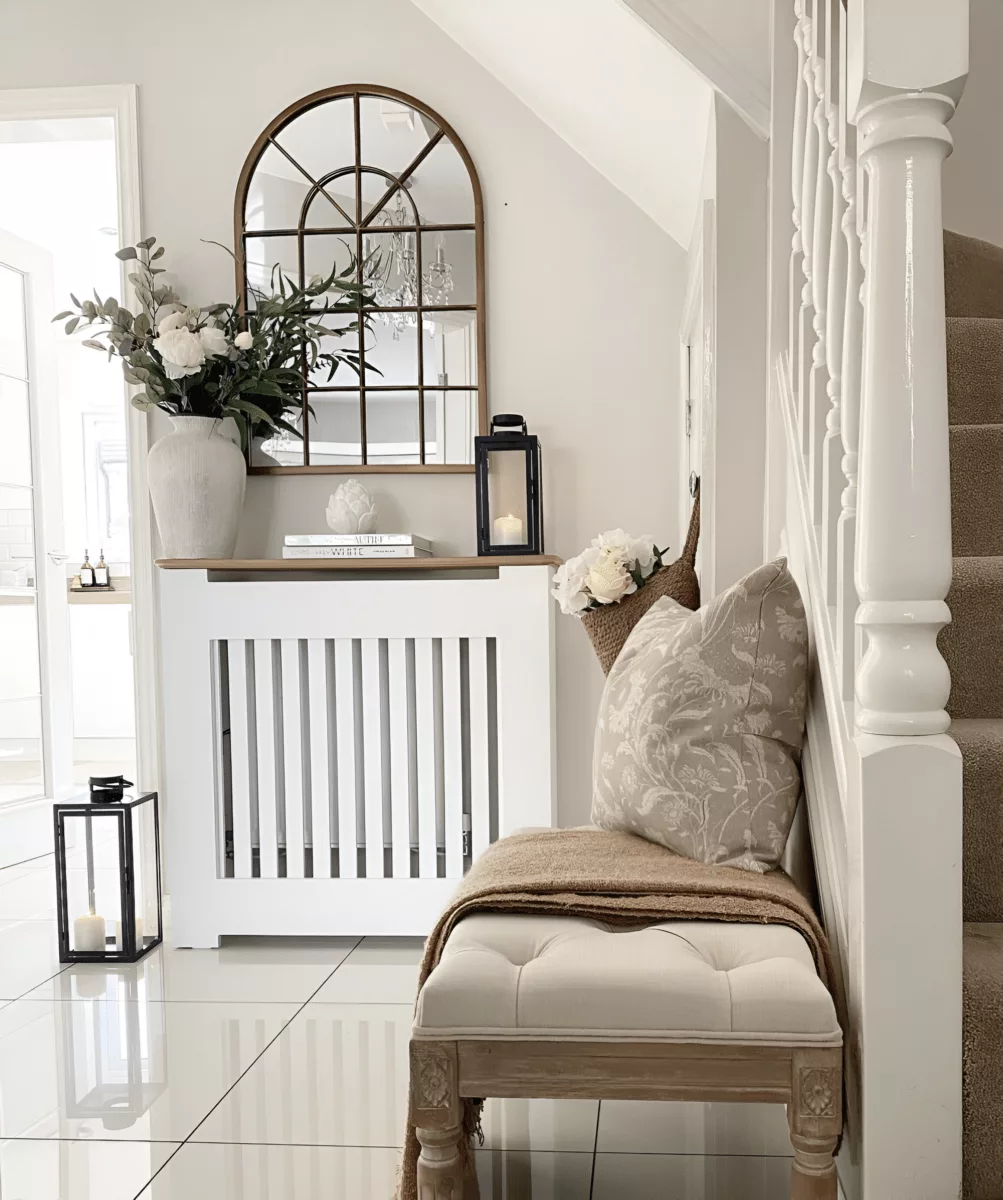
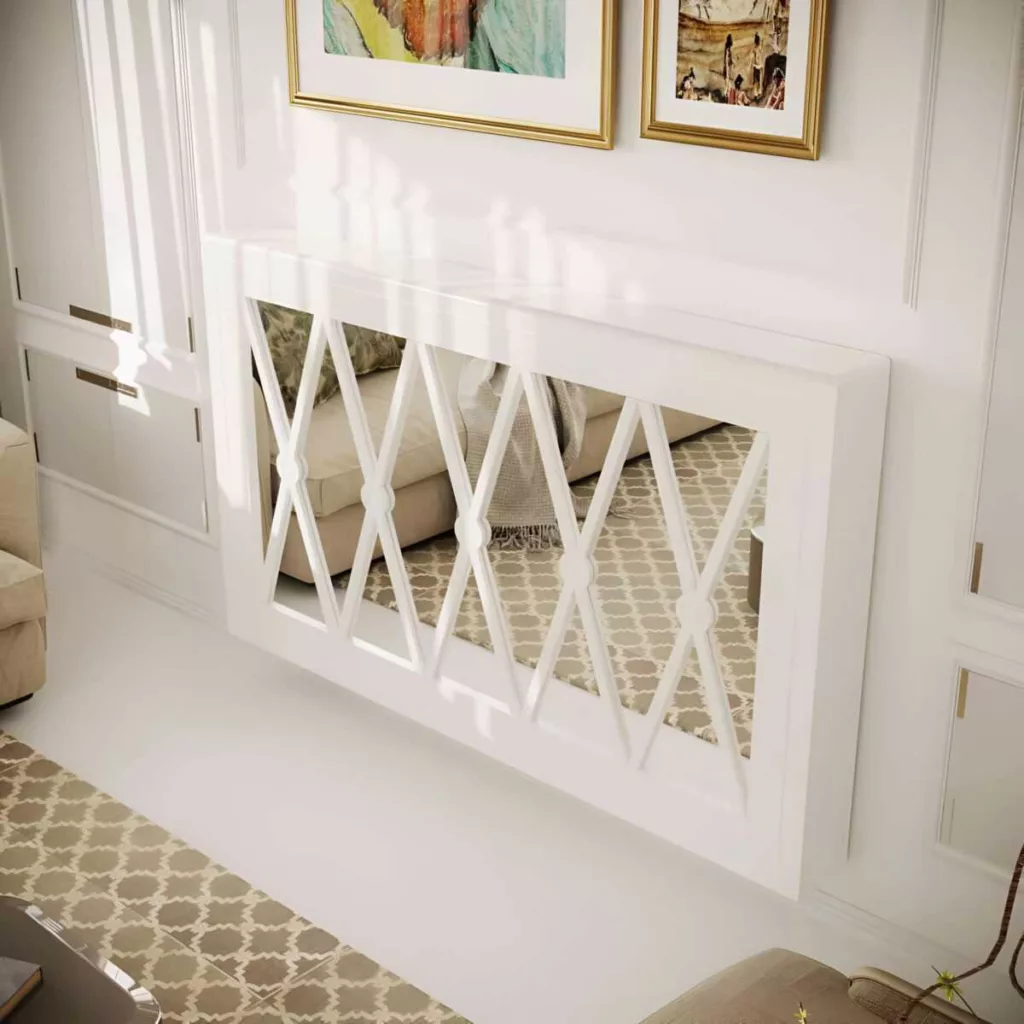
One of the most common concerns about radiator covers is whether they prevent heat from reaching the room. The answer depends largely on the design of the cabinet.
Placing any structure around a radiator can affect how heat moves. However, a cover with appropriate clearance and ventilation allows warm air to circulate, while a poorly designed or incorrectly sized product may restrict it.
How Do Radiators Heat a Room?
Radiators warm a room through a combination of radiant heat and convection.
Radiant heat travels directly from the radiator’s surface to nearby people and objects. Convection occurs as cooler air enters around the bottom of the radiator, warms and rises into the room.
A radiator cover changes the route this air takes. Its design must therefore provide space for cooler air to enter and warm air to escape.
Can a Radiator Cover Affect Heat Output?
Yes, a radiator cover can affect heat output, particularly when it is fitted too closely around the radiator or has insufficient ventilation.
A tightly enclosed cabinet may trap warm air or slow its movement into the room. Thick decorative panels with very little open area can also reduce the amount of heat passing through the front.
This does not mean radiator covers should always be avoided. It means their dimensions, grille design and ventilation need to be considered alongside their appearance.
Why Airflow and Ventilation Matter
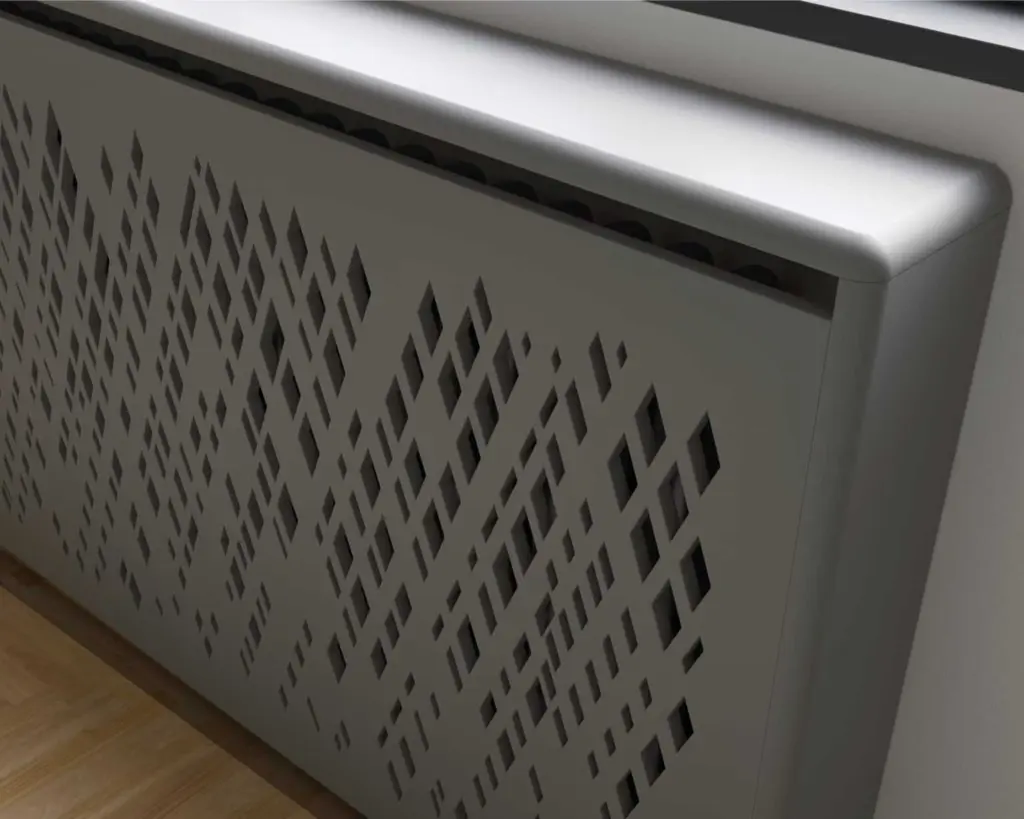
A well-designed cabinet should provide a clear route for air to move around the radiator.
Openings near the base allow cooler air to enter, while ventilation through the front and top gives warmed air a route back into the room. There should also be sufficient internal clearance so the cabinet does not sit directly against the radiator.
The front pattern matters too. A highly enclosed design may look attractive but provide less open space for heat to pass through. A radiator cover should balance visual appeal with practical airflow.
What Problems Can Poorly Designed Covers Cause?
Poorly designed covers can restrict airflow if they are fitted too closely around the radiator, use panels with insufficient open area or leave too little space for warm air to escape.
An unsuitable cover may also make it harder to access radiator valves or carry out routine cleaning and maintenance. Oversized products can occupy unnecessary space, while undersized cabinets may create inadequate clearance.
The design should also create an appropriate barrier around the radiator without compromising ventilation. This can be especially important in homes, schools and care settings where a cover may help reduce the risk of burns from hot radiator surfaces.
Taking accurate measurements and checking how the cabinet has been designed are therefore important before placing an order.
What Makes a Radiator Cover Perform Well?
An effective radiator cover begins with suitable dimensions. It should accommodate the radiator, valves and pipework while leaving enough room for air to circulate.
The cabinet should include:
- Ventilation at the front and top.
- Space for cooler air to enter at the base.
- Sufficient internal clearance around the radiator.
- A grille with an appropriate amount of open area.
- Access for controls, cleaning and maintenance.
The material and construction also matter. A stable cabinet with a durable finish is more likely to retain its shape and appearance despite regular exposure to changing temperatures.
How Radiator Cabinets UK Supports Effective Heat Circulation
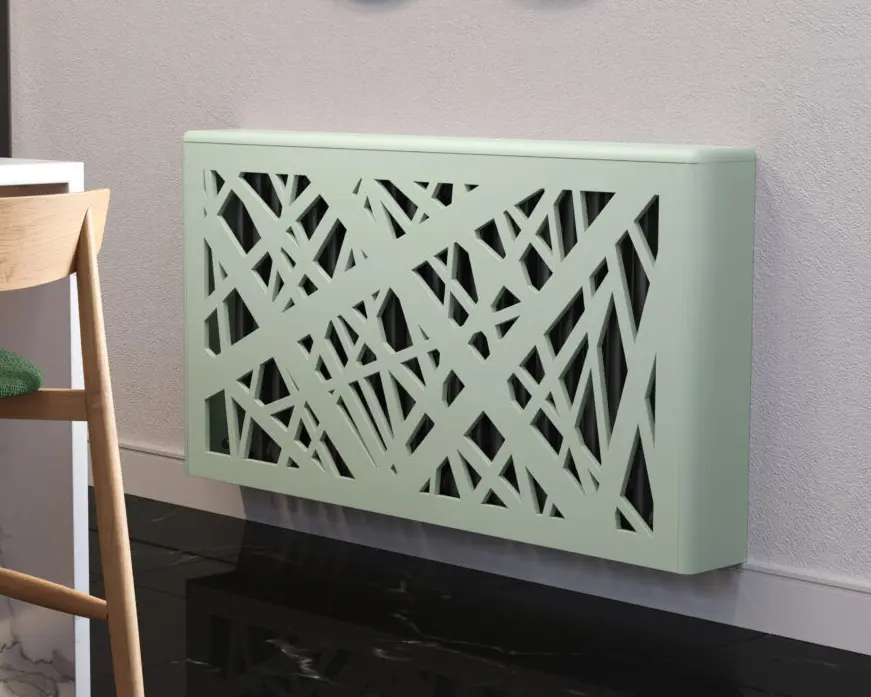
At Radiator Cabinets UK, our covers are designed to combine an attractive furniture-style appearance with the practical ventilation a radiator requires.
The cabinet dimensions include appropriate allowances around the radiator, while the fronts and ventilation openings provide routes for warm air to circulate into the room. Customers can choose from a range of designs without relying on a one-size-fits-all product.
Correct measuring remains essential. Our radiator cover measuring guide explains how to record the radiator’s width, height and depth, including valves and surrounding obstacles.
Customers can also send photographs and measurements to our team for additional guidance before ordering. This can be especially helpful where a radiator sits beneath a low window sill, alongside an alcove or near projecting pipework.
Choosing the Right Radiator Cover for Your Room
Radiator covers can affect heat flow, but the extent of that effect depends on how the cabinet is designed and fitted.
Look for suitable clearance, adequate ventilation and a front design that allows air to move freely. The correct cover should complement the room without enclosing the radiator too tightly or overlooking its practical requirements.