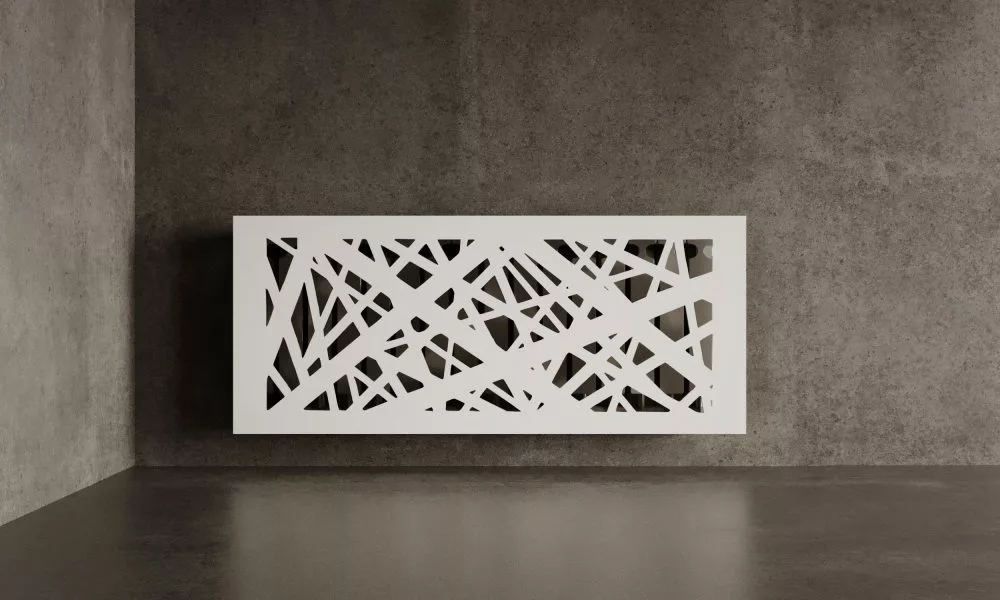
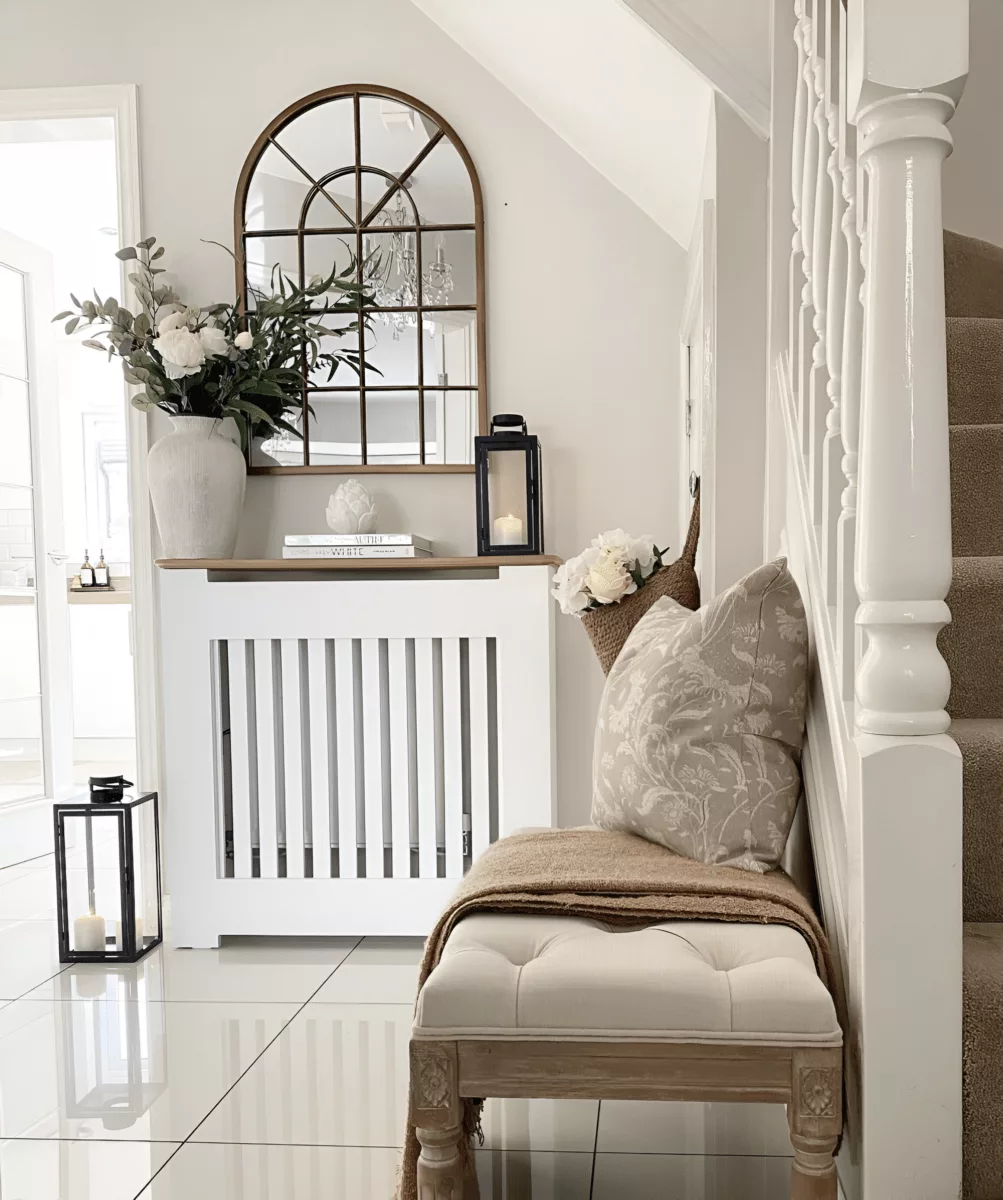
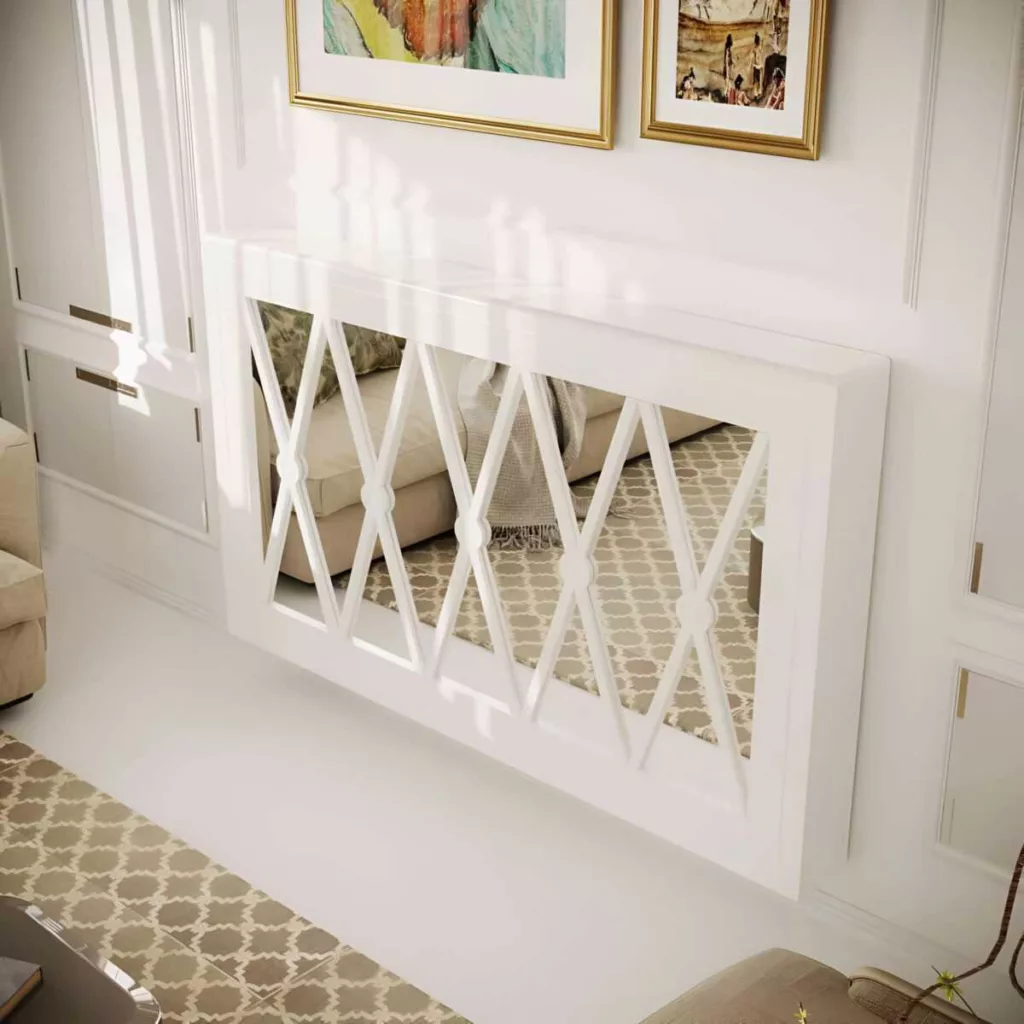
Radiators and exposed heating pipes can become hot enough to cause injury, particularly where someone remains in contact with the surface for more than a brief moment.
A radiator cover can help reduce this risk by creating a physical barrier between the hot surface and the people using the room. However, the level of protection depends on the design, construction and installation of the cabinet.
Why Can Radiators Cause Burns?
A burn is caused by dry heat, including contact with a hot radiator or pipe. A scald is caused by wet heat, such as hot water or steam. Although the terms are often used together, a radiator cover is primarily intended to help reduce the risk of contact burns rather than scalds.
The severity of a contact burn depends on factors including the surface temperature and the length of time the skin remains in contact with it. This is why exposed radiators can be a particular concern where someone may not recognise the danger or move away quickly.
Who Is Most at Risk?
Young children are more likely to touch or fall against a radiator while playing. Hot surfaces may also present a greater risk to older people, those with reduced mobility and people who are unable to react quickly or communicate discomfort.
NHS-backed safety guidance advises keeping young children away from heaters and radiators. It also recommends using guards where needed and screening exposed hot pipes when there is a risk of contact.
The risk should also be considered in schools, nurseries, care homes, healthcare environments and other spaces used by vulnerable people.
How Radiator Covers Reduce Direct Contact
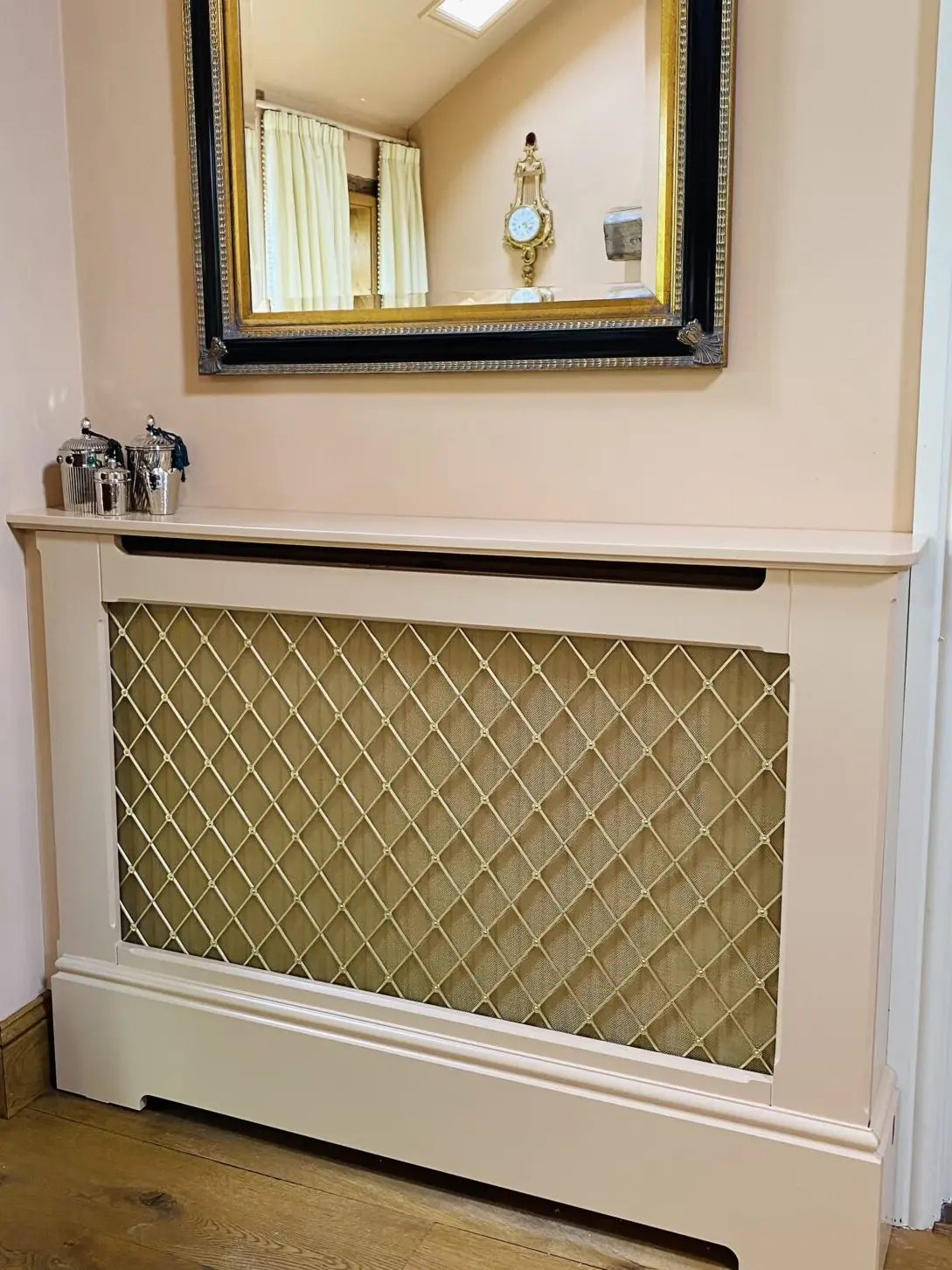
A radiator cabinet places a barrier around the main radiator surface, helping to prevent someone from touching it directly.
It can also help cover exposed sections of pipework, depending on the cabinet design and the position of the pipes. This may reduce the likelihood of accidental contact when children are playing nearby or when someone loses their balance.
A radiator cover should not be treated as a guarantee that burns cannot occur. The cabinet itself may become warm, and openings in the grille can still allow some access to the radiator. Its design must therefore be appropriate for the people using the room and the level of risk identified.
What Should a Safety-Conscious Radiator Cover Include?
A safety-conscious cabinet should be strong, stable and securely positioned. It should not move easily when knocked, leaned against or touched during normal use.
Rounded edges can help create a softer profile in busy areas, while an appropriately designed grille can reduce direct access to the radiator. Openings should be small enough to limit contact without unnecessarily restricting warm air.
A safety-conscious design should reduce access to the hot radiator while still allowing heat to circulate effectively. This balance is important, as the way a cabinet is sized and ventilated determines whether a radiator cover can affect heat flow.
The cover should also allow suitable access for radiator controls, cleaning and maintenance. Valves and pipework must not become inaccessible once the cabinet is installed.
Where Are Radiator Covers Most Useful?
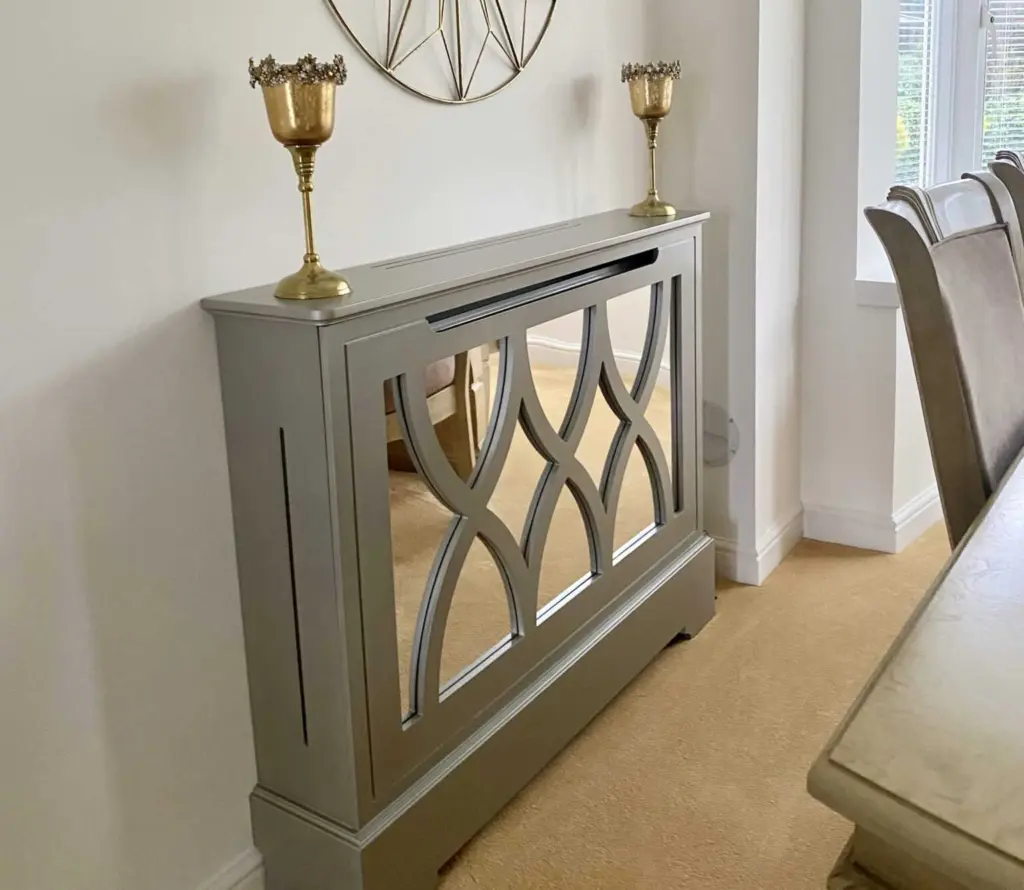
Radiator covers can be particularly valuable in children’s bedrooms, playrooms, nurseries and family living spaces. These are areas where children may play close to the floor, run around furniture or come into contact with a radiator without noticing it.
They may also be useful in hallways and other narrow spaces where people regularly pass close to the radiator.
In schools and care environments, decisions about radiator protection should form part of a wider risk assessment. Health and Safety Executive guidance states that where a vulnerable person could sustain a burn from a hot surface, the temperature should not exceed 43°C at maximum design output. Suitable precautions may include insulation or an appropriate cover.
A radiator cabinet may therefore be one part of a broader safety approach rather than a replacement for temperature controls, supervision or professional risk assessment.
How Radiator Cabinets UK Designs with Safety in Mind
At Radiator Cabinets UK, we design radiator covers that combine practical protection with suitable ventilation and a furniture-quality appearance.
Our cabinets create a barrier around the radiator while providing openings that allow warm air to circulate back into the room. Each cover should have appropriate clearance around the radiator, valves and pipework, making accurate measurements an important part of the ordering process.
Selected designs feature curved sides and rounded edges, which can be particularly suitable for classrooms, nurseries and busy family spaces. Our durable painted finishes are also designed to cope with regular contact and everyday cleaning.
For larger education, care or commercial projects, we can discuss measuring, design, survey and installation requirements. This helps ensure the selected cabinets are appropriate for their location and securely fitted.
Choosing the Right Cover for a Safer Space
Radiator covers can help reduce the likelihood of direct contact with hot radiator surfaces, but not every cabinet offers the same level of protection.
Consider who uses the room, where the radiator is positioned and whether children or vulnerable people could fall against it or remain in contact with it. Construction, grille openings, edge profiles, stability and ventilation should all form part of the decision.
A well-designed radiator cabinet can make the heating system less accessible while also improving the appearance of the room. Explore our radiator cover collection or speak to Radiator Cabinets UK about a suitable design for your space.